
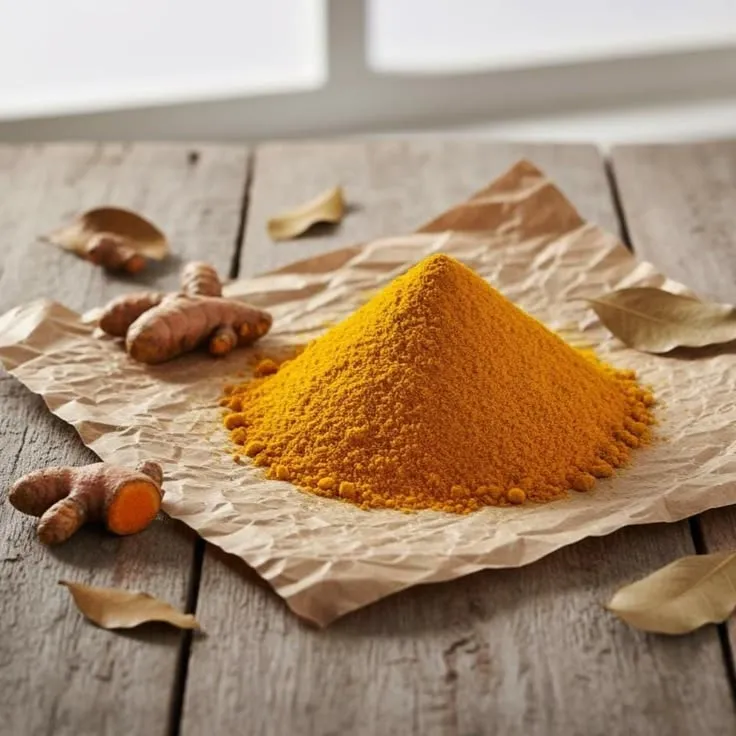
A bright color can look perfect during an early trial and then shift once the rest of the formula is adjusted. That is one reason food developers pay close attention to acidity. A Turmeric Color system, for example, may give a clean yellow in one product but still needs to be checked against the pH, processing steps, and storage conditions of the final recipe. Natural pigments are visual ingredients, but they also respond to the environment around them.
This matters in beverages, confectionery, sauces, frozen products, and other foods where acids are used for flavor or preservation. Understanding that relationship early can save a lot of reformulation later.
Why pH Matters Early
The pH of a food indicates whether the product is more acidic, neutral, or alkaline. For color work, that number can influence both shade and stability. Two natural pigments may look close on a color chart while behaving very differently in the same recipe.
It makes sense to consider acidity before the formula is locked. If the amount of citric acid changes after the color has already been selected, the appearance may move as well. Sometimes a small recipe adjustment is enough to make the difference visible.
Turmeric in Yellow Products
Turmeric gets its yellow appearance mainly from curcumin. FoodRGB offers turmeric-based natural color in powder, liquid, and oil formats, including options developed for different applications. Its product information lists heat stability and a working pH range of about 3.0 to 7.0.
That makes turmeric worth considering for baked goods, snacks, confectionery, seasonings, pickled vegetables, frozen beverages, and functional drinks. Even so, the final food has to be tested. A clear yellow in a drink may appear softer in an opaque product, while other ingredients can change how the shade is perceived.
Then there’s format. Some recipes will require a water-compatible system while others may be more compatible with an oil-based system. In general, the mixing stage is easier and will not provide mixed results if the color format used matches the recipe.
For the Red Cabbage Line
Red cabbage gets its natural red and purple shades from plant pigments called anthocyanins. These pigments can look different as the acidity of a recipe changes. In a more acidic recipe, they often produce red or pinkish tones. When the pH shifts, the color can shift with it, which is why developers usually test red cabbage directly in the finished formula rather than judging it on its own.
FoodRGB describes its Red cabbage concentrate solutions as water-soluble and suitable for applications including beverages, juice, confectionery, frosting, frozen drinks, cocktails, and mocktails. The company lists good performance around pH 3.0 to 5.0 and offers powder and liquid formulations.
Test the Actual Product
A color sample mixed into water can be helpful, but it is only a starting point. Real recipes contain acids, proteins, fats, minerals, flavors, sweeteners, and other ingredients that can affect appearance. Processing adds another variable.
A useful trial should follow the same route as the finished product. If it will be heated, heat the test batch. If it will stay refrigerated for several weeks, check the color during that period. For products sold in clear packaging, light exposure deserves attention as well.
Small side-by-side trials can be useful here. Comparing concentrations or making a modest pH adjustment often shows more than simply adding extra color.
Think About Scale
Moving from a bench sample to full production changes the setting. Mixing time, equipment, batch size, and normal ingredient variation can all influence the final result. Color should therefore be judged as part of the manufacturing process, not on its own.
Custom formulation support can help when a standard option is close but does not quite meet the target for shade, solubility, or processing conditions.
Conclusion
Natural yellow and red colors do not behave according to a shade card alone. pH, product composition, format, heat, and storage all influence what finally reaches the shelf. Turmeric and red cabbage show this clearly because each has its own useful working conditions.
Manufacturers comparing these options can use foodrgb.com to review natural color systems and application support for different foods and beverages. Testing under real production and storage conditions remains the most practical way to find a color that holds up beyond the first sample.